


MJF
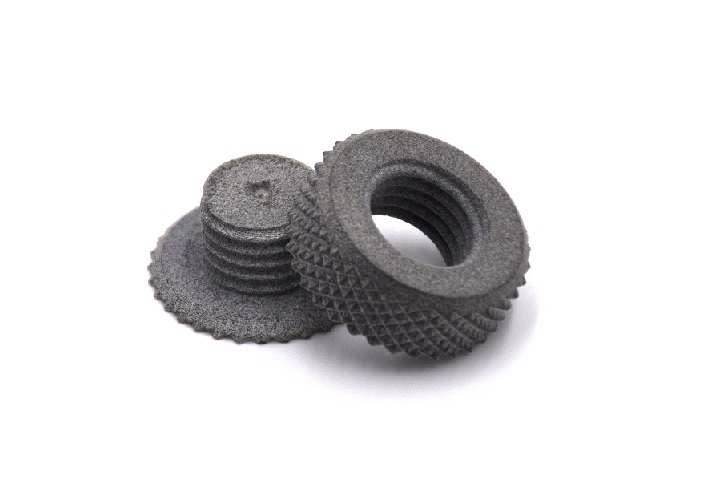
Provides a strong balance of durability and repeat usability, making it well suited for producing end-use parts and functional prototypes with high detail and accurate dimensions. This high-performance option is a reliable substitute for injection-moulded plastics such as ABS or PA6. It is especially suitable for complex assemblies, housings, enclosures, and watertight components.
MJF color
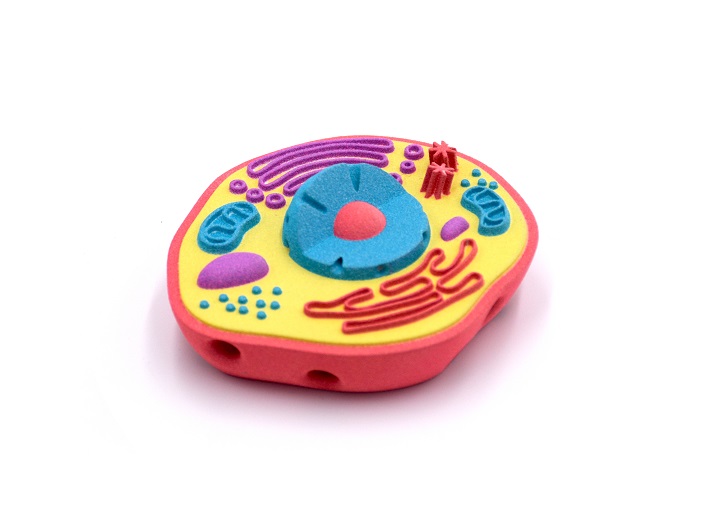
Delivers a strong balance of durability and reusability while adding the benefit of full-color printing, making it ideal for end-use parts and functional prototypes that require high detail and precise dimensional accuracy with integrated color. Color is built directly into the part rather than applied as a secondary process, enabling clear visual differentiation, branding, or color-coding without compromising mechanical performance.
SLS
Provides a superior level of design freedom and mechanical complexity, making it ideal for producing lightweight structural components and intricate geometries without support structures. This versatile technology is a proven alternative to technical engineering plastics such as Nylon 11 or Nylon 12. It is especially suitable for aerospace parts, complex internal ducting, lattice structures, and durable impact-resistant housings.
SLA
Delivers exceptional surface finish and fine detail, making it ideal for highly accurate prototypes and visually detailed parts. The process produces smooth surfaces and tight tolerances, closely resembling injection-moulded components in appearance. SLA is especially well suited for intricate geometries, detailed housings, enclosures, and parts that require high precision, sharp edges, and excellent dimensional accuracy.
FDM
Offers a practical balance of strength, versatility, and cost efficiency, making it well suited for producing functional prototypes and end-use parts. A wide range of thermoplastic materials allows FDM to replicate properties similar to injection-moulded plastics such as ABS, PLA, or Nylon. This technology is particularly suitable for larger components, jigs and fixtures, housings, and parts where mechanical performance and durability are more important than fine surface detail.